
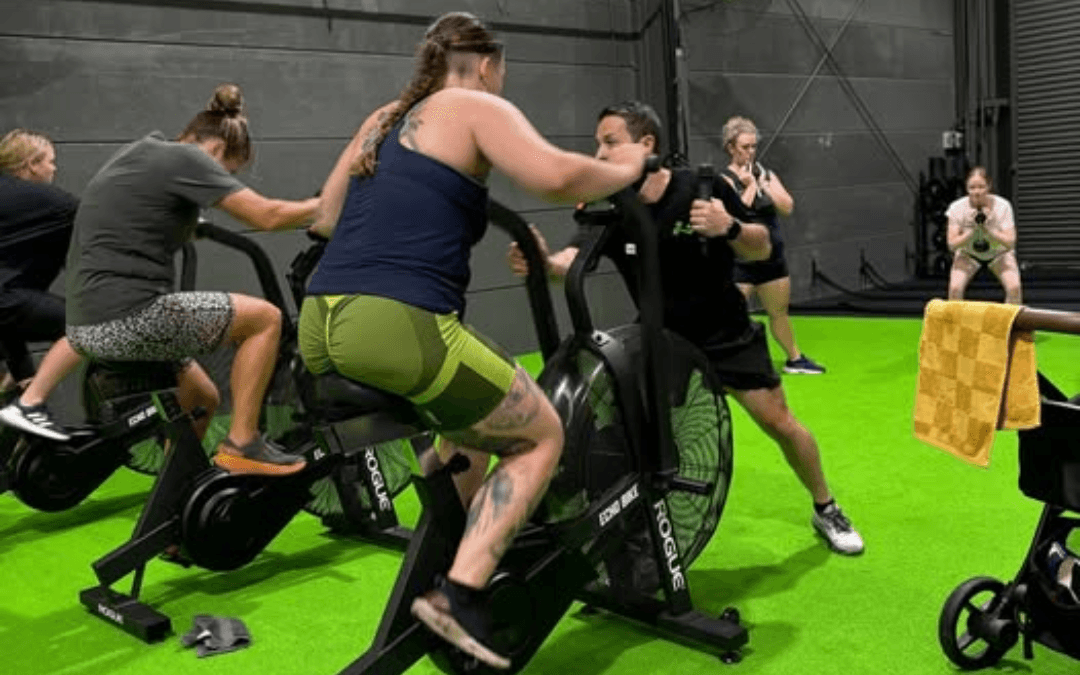
You have finally decided to do it. You searched on Google for “gym near me,” signed up, bought new shoes, and walked through the doors feeling excited. Then, sometime in the middle of a fitness session, you may start to wonder: Do I need to push myself to the absolute limit to get results? The answer to it is a short and sweet “No.”
In fact, for beginners, “no pain, no gain” is one of the most misleading pieces of fitness advice going around. The research is pretty clear: starting slow, building smart, and training consistently will get you stronger, fitter, and healthier than going all-out from day one.
Why a Full Body Workout Program Beats Split Routines for Beginners?
Walk into almost any standard gym, and you may hear experienced lifters talking about their “push day” or “leg day.” Split routines – where you train different muscle groups on different days – can work brilliantly for people who already have a strong training base. But for beginners? A full-body workout program is almost always the smarter choice.
Here is why. When you are new to training, your nervous system is learning how to recruit your muscles efficiently. Training your whole body in each session means each muscle group gets stimulated more frequently – typically two to three times per week instead of once. This higher frequency accelerates the neuromuscular adaptations that underpin early strength gains.
A well-designed full-body workout program also helps beginners in the journey to fitness develop balanced strength across their whole body, reducing the muscle imbalances that can lead to poor posture and injury over time.
At Adam Prowse, our coaches work with beginners to build structured full-body programs that are challenging enough to drive progress, but smart enough to facilitate people recover and come back for more.
Common Mistakes Beginners Make After Joining a Gym Nearby
Typing “gym near me” into your phone is the easy part. Knowing what to do once you have joined such a gym is the more difficult part. These are the most common mistakes we see from beginners after they join a gym.
Doing too much, too soon, is a common mistake. Enthusiasm is great – but jumping straight into daily sessions with maximum effort is a recipe for soreness so severe that you may land with an injury that could put you out for weeks. Start with three sessions a week and build from there.
Skipping the warm-up is another mistake. A five to ten-minute warm-up isn’t optional fluff – it literally prepares your muscles and joints for load. Cold muscles are far more prone to strains and tears.
Copying advanced athletes is another pitfall among beginners in fitness programs. Those benching twice their bodyweight have likely been training for years. Trying to mirror their program as a beginner is like watching someone drive a V8 and deciding that is how you will learn to drive.
Ignoring technique is another error. Lifting heavier with poor form doesn’t build more muscle – it tends to build bad habits and paves way for injuries. Master the movement first, then add weight.
Not asking for help is another common error among gym goers. A trainer at a good gym should want to help you succeed. Don’t be afraid to ask for a technique check or a program recommendation that suits your fitness level.
How a Maitland Gym Can Support First-time Members With Low-Impact Training Options?
One of the biggest advantages of joining a well-staffed, community-focused Maitland gym over going it alone at home is access to proper guidance and the right equipment. Low-impact training options are particularly valuable for beginners, and for anyone returning to exercise after a break or dealing with an existing injury.
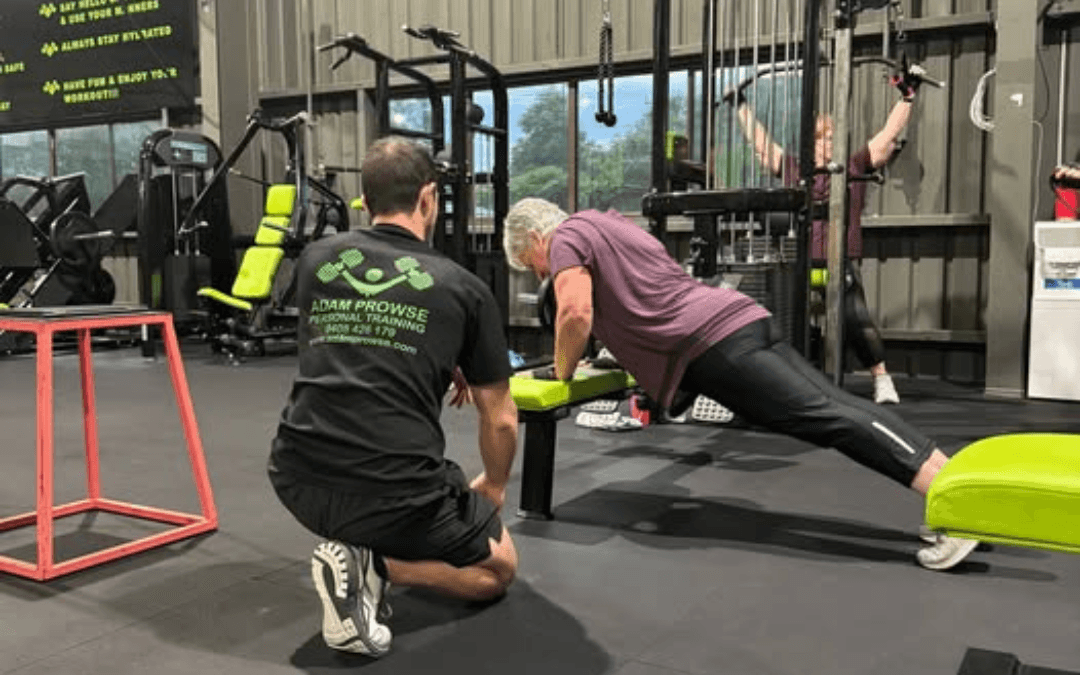
At Adam Prowse, our Maitland gym is set up with beginners in mind. We offer supervised introductory sessions where our coaches walk you through the equipment, help you understand proper form, and build you a program that suits your current fitness level – not someone else’s. We have got a full range of cardio machines, resistance equipment, and free weights, along with coaches who know how to scale any exercise up or down based on what you need.
Low-impact options we regularly recommend to beginners include resistance band work, cable machine exercises, seated cardio equipment, and water-based exercise for those with joint issues. The aim is always to get them moving, build their confidence, and help them fall in love with physical training – not dread it.
Progressive Overload vs Extreme Workout for Beginners
Here is a concept that doesn’t get nearly enough mileage among beginners in the journey to fitness: progressive overload. It is the principle that drives all long-term strength and fitness gains, and it’s far more effective than extreme workouts – especially when you are just beginning your visits to the gym.
Progressive overload simply means gradually increasing the demands you place on your body over time. That could mean adding a little more weight, doing one more rep, or reducing your rest time between sets. Small, consistent increases over weeks and months can compound into seriously impressive results.
The beauty of this approach for beginners is that your body is highly responsive to new stimuli. You don’t need extreme intensity to trigger adaptation – even modest increases in load or volume will produce noticeable improvements in strength, muscle tone, and endurance.
Contrast this with going all-out from day one: you exhaust your adaptation potential quickly, you risk injury, and you give your body no clear direction to keep improving.
Think of it like learning a new skill. You wouldn’t try to play a concert on day one of piano lessons. You build your piano playing skill piece by piece, until the hard stuff feels easy – and then you push a little further.
What Science Actually Says About Soreness vs Muscle Growth for Beginners?
Ask most people whether soreness means a good workout, and the majority will say yes. It is one of the most persistent myths in fitness – and it sends a lot of beginners in the gym down the wrong path.
The soreness you feel one to two days after a workout is called DOMS – delayed onset muscle soreness. It is caused by microscopic damage to muscle fibres and the inflammation response that follows. Here is the thing: DOMS is not a reliable indicator of muscle growth or workout quality. You can have a brilliant, effective training session and feel almost no soreness afterwards. You can also be absolutely wrecked from a workout that wasn’t particularly productive.
In fact, chronic high soreness in beginners is often a sign of doing too much too soon, which can actually impede recovery and slow your progress in the journey towards fitness.
Showing up three or four times a week, training with good form and progressive challenge, eating and sleeping well, and giving your body time to recover are the best ways to attain desired fitness levels among beginners. That is the science – and it is a lot less dramatic than grinding yourself into dust in every fitness session.
Start Smart – Your Stronger Self Is Waiting
The “no pain, no gain” mentality has put a lot of people off fitness for good. The truth is that the most effective path to a stronger, healthier body isn’t the most painful one – it is often the most consistent one.
Whether you are searching for a gym nearby in the Maitland or Lake Macquarie area, or you are not quite sure where to start, the team at Adam Prowse is here to help you do exactly that – start. With tailored beginner programs, low-impact options, qualified coaches, and a welcoming community, we make sure your first steps into the gym feel like the beginning of something genuinely great.
Come in, say hello, and let us build something sustainable together. Visit adamprowse.com to find out more or book your first session with us.
FAQs
Is “no pain, no gain” really necessary to build strength as a beginner?
No, it is one of the biggest fitness myths out there. Some muscle fatigue after training is totally normal, but if you feel something sharp or painful in your joints, that is your body telling you to stop. Start your journey to fitness lightly, nail your form, and build from there. Slow and steady actually wins the race to fitness.
Why do I feel sore after my first few gym workouts?
That achiness you are feeling is called DOMS – Delayed Onset Muscle Soreness – and it is completely normal. It kicks in around 24-48 hours after training and just means your muscles are adapting to new movement. The good news? The more regularly you train, the less it bothers you. Your body gets used to it pretty quickly.
How often should beginners follow a full-body workout program?
Three days a week is the sweet spot – think Monday, Wednesday and Friday. It gives you enough training stimulus to build real strength, while leaving plenty of time to recover in between. And don’t underestimate those rest days – that is actually when your muscles repair and grow. They are just as important as the sessions themselves.
What is the safest way to start strength training at a gym near me?
If you are a beginner in your fitness journey, you should ideally start with a gym that is beginner-friendly. Find a beginner-friendly gym (like ours in Maitland or Lake Macquarie), get a proper induction, and don’t hesitate to seek help from a trainer. It is pragmatic to begin with machines to build confidence, then progress to free weights as your form improves. Always warm up, cool down, and resist the urge to do too much, too soon.
Can I build muscle without lifting heavy weights right away?
You surely can. When you are just starting out at the gym, your body responds really well to even moderate weights. The key is progressive overload – gradually increasing your reps or weight over time. Get your technique right first, build a solid foundation, and the heavier lifting will come naturally.
What should I look for in a Maitland gym as a beginner?
You want a gym that feels welcoming, not intimidating – a place with good equipment, knowledgeable staff, and a vibe that actually makes you want to show up, regularly. At Adam Prowse, we are highly successful in making beginners feel at home from day one. Our flexible hours don’t hurt either.
How long does it take to see results from strength training?
You will likely start feeling stronger within two to four weeks – your nervous system adapts fast. Visible changes in muscle tone usually show up after around six to twelve weeks, depending on how consistently you are training, eating, and sleeping. Stick with it, trust the process, and the results will come.
What are the signs that I am pushing too hard in the gym?
If you are constantly exhausted, your performance is going backwards, if you are sleeping badly, or if you are getting sick more often than usual – those are all signs that you need to ease up your fitness routine.
Sharp joint pain, dizziness, or any chest discomfort during a workout should never be ignored. Feeling a bit sore? Normal. Feeling completely wrecked all the time? Not normal.