
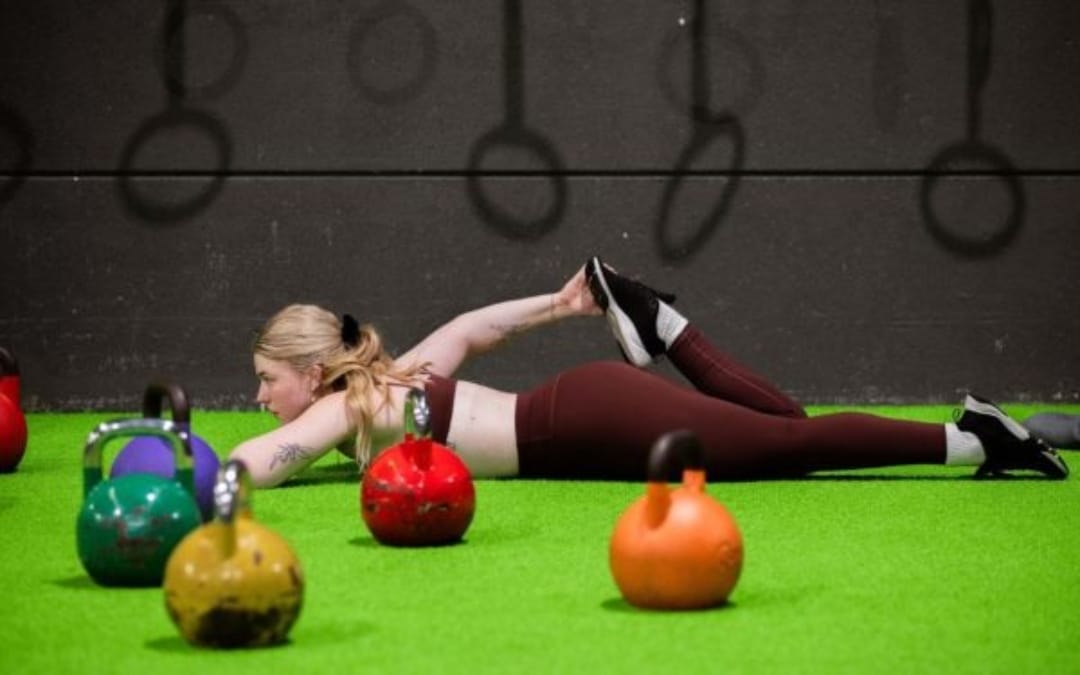
When you are running short on time at the gym, what is the first thing to dispense? For most people, it is the stretch. The warm-up gets a quick nod, the cool-down gets completely ignored, and everyone makes a beeline for the weights or the treadmill. For many, spending ten minutes touching your toes doesn’t exactly feel like a workout.
But it should be kept in mind that whether you have just started your fitness journey or you have been training for years, stretching is the bit that quietly holds everything else together.
At Adam Prowse, our coaches across our Maitland gym and at gym Sandgate in the Lake Macquarie location watch stretching make a real difference to gym goers every single day. So let us have a proper chat about why stretching deserves a permanent spot in your fitness routine – not just an activity which you take part in when you have got some excess minutes during your fitness regimen.
Why Stretching Is Often Overlooked in Fitness Routines
When gym culture is all about lifting heavy weights, sweating more, and smashing personal bests, five minutes of slow, quiet movement feels a bit underwhelming. It is also one of those things that never got a big introduction. Nobody made a fuss about it, so stretching never felt all that important.
For anyone just getting started on a workout programme for beginners, stretching is almost always the first thing to be dropped – not because people don’t care, but largely because it was never really projected as an essential part of a fitness programme.
But skipping stretching consistently is a bit like getting your car serviced every six months but never once checking the tyre pressure. Sometimes, things feel fine right up until they don’t.
The Benefits of Incorporating Regular Stretching Into Workouts
Stretching does a whole lot more than just making you feel a bit relaxed after a session. When you do it consistently, your joints move more freely, your muscles work more efficiently, and every exercise you do tends to get a little bit better. Through stretching, squats go deeper, one’s shoulders feel more stable, and one’s movement gets spruced with fitness.
There is also the everyday stuff to consider. Sitting at a desk all day – or being on your feet in a physically demanding job – they build up a surprising amount of muscle tension. That tightness quietly chips away at your movement and, if you ignore this tightness long enough, it may start causing real pain.
Especially for workout programs for women, this matters even more. Stretching is crucial for exercising women, which can improve their flexibility, reduce their injury risk, and promotes their muscle health, supports better posture, and assists with muscle recovery. Workout programs for women in a good gym should have stretching as an integral part of a fitness regimen.
How Does Stretching Improve Performance and Prevent Injuries?
Picture a rubber band that has been sitting in a drawer through a cold winter. You pull it too fast and it snaps. Now picture one that’s been warmed up and gently stretched a few times first – completely different story. Your muscles work the same way.
When you head into a session without warming up properly, you are essentially asking cold, stiff muscles to perform at full speed from the get-go. It usually gives a tweak, a strain, or just a nagging tightness that hangs around for weeks.
Dynamic stretching before training gets the blood moving freely, fires up the muscles you are about to use, and gets your joints ready for the work ahead. You will feel the difference from your very first rep – more power, better control, and a lot less chance of pulling a muscle at an awkward moment.
After the fitness session, static stretching helps your muscles settle back down, reduces the tightness that builds up after hard work, and keeps imbalances from developing over time. Those imbalances – where one muscle group is noticeably tighter than on the other side – are behind a big chunk of the overuse injuries our coaches see. A bit of consistent stretching goes a long way towards preventing such injuries. The importance of stretching in facilitating other exercises should be instilled in the workout program for beginners.
What Are Common Myths About Stretching Before and After Exercise?
There is a fair bit of outdated thinking floating around when it comes to stretching. Let us clear a few of them up.
Myth I: Stretching Before Exercise Means You Won’t Get Injured
Stretching can facilitate fitness, but it is not a magic forcefield. It works best as part of a proper warm-up – light movement to get your temperature up, followed by dynamic stretching to activate the right muscles. Jumping straight into cold static holds before a session can actually dial back your power output.
Myth II: No Pain Means it’s Not Doing Anything
Stretching is not supposed to hurt. You are doing a firm, gentle pull – not pushing through sharp discomfort.
Myth III: Stretching is Just for Beginners or People who Aren’t Very Fit
Far from it. Stretching is not only an important part of a workout program for beginners. Every serious athlete – from AFL players to Olympic lifters – puts real time into flexibility and mobility work. Whether you are on a workout programme for beginners or you have been training hard for years, stretching should belong in your fitness routine.
Easy Stretching Routines for Busy Athletes
Often, lack of time is the number one excuse for avoiding stretching, so here is the good news. You don’t need a dedicated flexibility session to feel the benefits of stretching. Ten focused minutes, done consistently, genuinely moves the needle.
Before training – 5 to 7 minutes of dynamic stretching: Leg swings, hip circles, arm crossovers, walking lunges, and shoulder rolls all do the job nicely. Keep it flowing – you are warming up the joints and getting blood into the muscles.
After training – 5 to 10 minutes of static stretching: Hold each stretch for around 20 to 30 seconds. Zero bouncing. Work through the areas you have just trained –hamstrings, quads, hip flexors, chest, and shoulders tend to need the most attention. Breathe slowly and let your body settle into it.
Got a rest day? Spending ten extra minutes targeting your tightest spots – usually the hips and upper back– can be some of the best time you will spend on your fitness all week.
How Can Stretching Enhance Recovery After Intense Workouts?
After a solid fitness session, your muscles generally are tired, a little inflamed, and carrying the byproducts of all that hard work. Static stretching post-workout gets the blood moving through those tired muscles, which helps clear out the waste and brings in what they need to repair properly.
It also takes the edge off DOMS – that fun deep ache that shows up a day or two after a tough session. Stretching won’t make it disappear entirely, but it does mean you will bounce back faster and feel ready to train again sooner.
Static vs. Dynamic Stretching: Which One Does What?
Both have a job to do – you just need to use them at the right time.
Dynamic stretching keeps you moving. Leg swings, hip circles, arm rotations – controlled movements that take your joints through their range of motion. This warms the muscles up, gets your nervous system switched on, and prepares your body to perform better. Use this before every session, whether you are lifting, running, or heading into a class.
Static stretching is the slow, held stuff – involving typically 20 to 60 seconds in one position. It lengthens the muscle, drops your heart rate, and helps your body wind down after the effort. Save this for after your session when everything is already warm, and the hard work is behind you.
Together, they are a brilliant combination. Whether you are new to a workout programme for beginners or you have been at it long enough to have a few niggles of your own, weaving both into your routine will improve how you move, how fast you recover, and how long you can keep training without something forcing you to stop.
Make Stretching a Non-Negotiable Part of Your Routine
Stretching won’t make headlines. It won’t feature in a dramatic transformation post. But it is, genuinely, the thing that makes everything else in your fitness training hold together – and the people who commit to it are the ones who keep training year after year without constantly being derailed by injuries or burnout.
At Adam Prowse, whether you are at our Maitland gym, or joining us at our gym Sandgate, located within the Lake Macquarie area, our coaches will make stretching a proper part of your programme – not a throwaway afterthought at the end of a fitness session.
Come in for a chat, give us a call, or jump online. The team at Adam Prowse is ready to help – and yes, we will make sure you stretch properly before and after a fitness session.
FAQs
Why is stretching important for overall fitness?
Stretching facilitates flexibility and reduces stiffness, which contributes to overall fitness. Stretching is especially important for desk-bound people doing less physical work. Stretching also contributes to recovery after a fitness session and long-term joint health.
How often should I stretch during my training routine?
It is preferable to stretch during every training session. Do dynamic stretching before the session, and static stretching after the session. You can also add light stretching on rest days, especially if you are feeling sore.
What is the difference between static and dynamic stretching?
Dynamic stretching entails controlled movement (like leg swings) to warm up muscles before exercise. Static stretching is holding a stretch in place, usually post-workout, to improve flexibility.
Can stretching prevent injuries while working out?
Stretching can facilitate preventing injuries during working out, but of course, there is no guarantee of doing so. Dynamic stretching before training can reduce the risk of injury during fitness sessions by preparing muscles and joints.
How long should each stretch be held for best results?
For static stretching, one should go for 15–30 seconds per stretch, which needs to be repeated 2–3 times. You should feel tension but not pain. One can opt for holds of shorter duration post-workout, but on rest days, longer sessions can be added to gain flexibility.
Should I stretch before or after exercise?
It is advisable to do dynamic stretching before exercise to warm up and static stretching post the workout, when muscles are warm.
What are the most commonly neglected muscles in stretching?
Hip flexors, glutes, hamstrings, calves, and upper back are often neglected muscles during stretching.
Can stretching improve athletic performance?
Yes, it can by increasing flexibility, which allows for improved range of motion, which in turn can enhance strength, speed, and efficiency. Dynamic stretching before sport can give an impetus to performance.
Is it possible to over-stretch and cause injury?
Yes, over-stretching can cause injury. Pushing too hard or bouncing into stretches can strain muscles or ligaments. Stretch to mild discomfort, not pain.